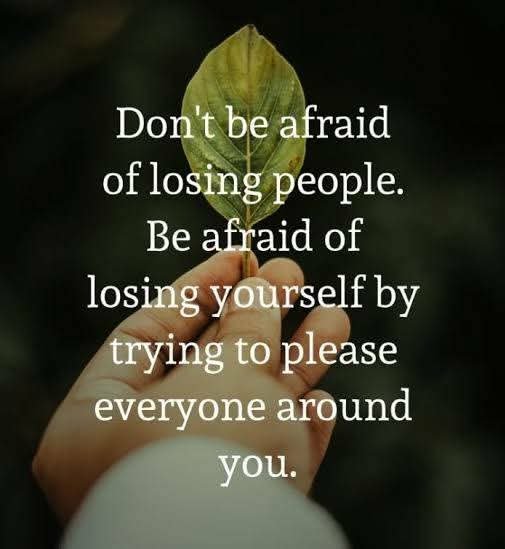
One of the patterns I learned was to overgive—being valued for what I could do, not for who I am.
Over time, I’ve learned to pause and check in with myself instead of overdoing and overgiving—something that once was automatic.
It used to feel like kindness, like connection, like doing the right thing. But eventually, I began to notice the cost. I started to see it differently.
There was a quiet depletion—a stretching beyond my limits that my body could no longer ignore. I was taking on more than I could hold and things I really didn't want to do. I would put all my needs to the side to help others. The tension, the fatigue, the aches, the rising resentment, and overwhelm—these were all signals that it was time to slow down and reassess.
Instead of pushing through, I’ve learned to honor those signals.
To listen. To pause. To breathe.
Now, I allow space between request and response—space to consider, to feel, to choose what’s truly aligned. It’s okay to say, “Let me think about that,” “I’ll get back to you,” or even, “That doesn’t work for me.” Words that once felt uncomfortable now feel like acts of self-respect. They create room for honesty—not just with others, but within myself.
I used to believe that kindness meant always saying yes—that being there for others required me to override my own needs. But I see now that this wasn’t kindness; it was self-abandonment dressed in good intentions.
True kindness includes me in the equation. It honors my limits as much as my desire to give. It allows me to offer from a place of fullness—where giving feels like gratitude and grace, not obligation or depletion.
I'm always so grateful to become aware of my patterns so I can change. I no longer abandon myself to belong.